Are you looking for a natural solution to help with anxiety?
- We will explore what CBD is and how it works in the body to provide relief.
- Discover the benefits of using CBD for anxiety, including reducing symptoms, promoting relaxation, and potentially helping with panic attacks.
- Learn about the different forms of CBD available, factors to consider when choosing the best CBD for anxiety, potential side effects, and tips on how to use CBD effectively.
- Discover how CBD can potentially help with anxiety.
How Does CBD Work in the Body?
CBD interacts with the human body through the endocannabinoid system, which regulates various functions to promote wellness benefits. Its effects as a natural remedy have been found to be effective in supporting overall health.
The endocannabinoid system plays a crucial role in maintaining balance and harmony within the body, influencing processes such as pain sensation, mood, appetite, and inflammation. By interacting with this system, CBD can help to modulate these functions, leading to potential benefits such as pain relief, reduced anxiety, improved sleep, and enhanced overall well-being.
This holistic approach to health highlights the versatility of CBD as a natural remedy, offering a promising avenue for individuals seeking alternative ways to support their physical and mental health.
What Are the Benefits of CBD for Anxiety?
CBD offers a range of benefits for anxiety, providing stress relief, promoting mental health, and inducing relaxation. It has shown promise in alleviating symptoms of anxiety disorders and being an effective treatment option.
Many individuals turn to CBD as a natural alternative to traditional medications for managing anxiety due to its non-psychoactive properties and limited side effects. CBD interacts with the body’s endocannabinoid system, which plays a crucial role in regulating mood and stress responses. By influencing serotonin receptors in the brain, CBD can help improve feelings of well-being and reduce anxiety levels. CBD’s anti-inflammatory properties may also contribute to its calming effects on the body, further aiding in relaxation and overall mental well-being.
Reduces Anxiety Symptoms
CBD has been found to reduce anxiety symptoms by promoting stress relief and supporting mental health. Its effectiveness in alleviating symptoms makes it a valuable option for those dealing with anxiety.
By interacting with the body’s endocannabinoid system, CBD helps regulate mood and reduce the physiological effects of anxiety. Studies have shown that CBD can lower anxiety levels in individuals with social anxiety disorder, generalized anxiety disorder, and post-traumatic stress disorder. CBD has been noted for its ability to improve sleep quality, which is often disrupted by anxiety. The calming effects of CBD are thought to be due to its interaction with serotonin receptors in the brain, promoting feelings of relaxation and well-being.
Promotes Relaxation and Better Sleep
CBD promotes relaxation and better sleep by inducing a calming effect on the mind, leading to improved mental relaxation and enhanced sleep quality.
This natural compound interacts with the endocannabinoid system in the body, helping regulate the sleep-wake cycle and promote feelings of calmness. By reducing anxiety and stress levels, CBD can help create a conducive environment for restful sleep. Studies have shown that CBD may also have anti-inflammatory properties, which can help alleviate pain and discomfort that may interfere with sleep. Incorporating CBD into your bedtime routine may offer a natural and gentle way to unwind and prepare your body and mind for a restful night’s sleep.
May Help with Panic Attacks
CBD may help with panic attacks by providing relief through its calming properties, aiding in stress management and serving as an effective treatment option for panic-related symptoms.
CBD works by interacting with the body’s endocannabinoid system, which plays a crucial role in regulating stress responses. By targeting receptors in this system, CBD helps to reduce the intensity of panic attacks and promote a sense of calmness.
Many individuals find that incorporating CBD into their daily routine can lead to a decrease in the frequency and severity of panic-related symptoms. CBD is widely regarded for its ability to help individuals cope with anxiety and stress, making it a promising natural remedy for managing panic attacks.
What Are the Different Forms of CBD?
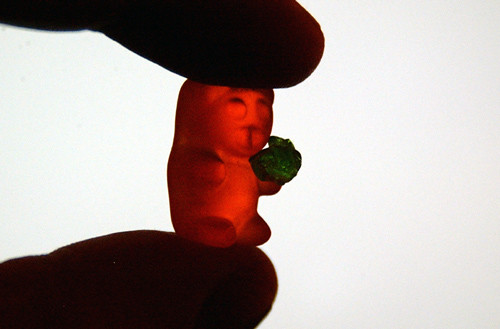
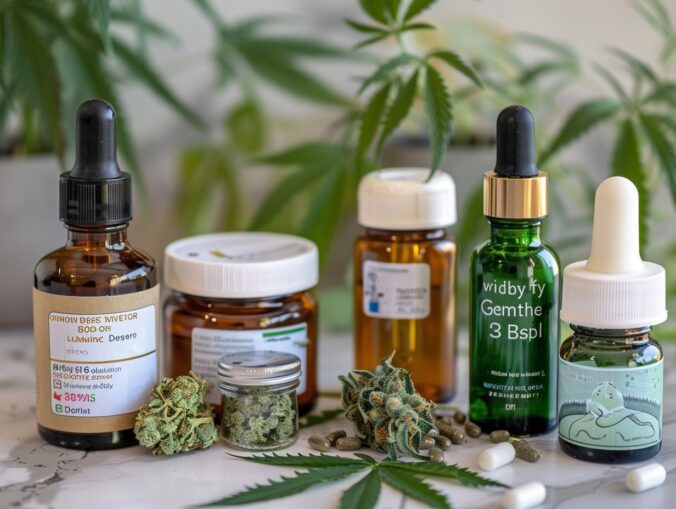
CBD is available in various forms to cater to different consumer preferences, including CBD oil, CBD gummies 300mg edibles, and topicals. The market offers a wide range of products to meet the demands of consumers.
CBD oil is one of the most popular forms of CBD, valued for its versatility and ease of use.
Edibles provide a tasty and convenient way to consume CBD, such as gummies or infused chocolates.
For those seeking localized relief, topicals like creams and balms offer targeted application.
The diverse array of CBD products reflects the growing market demand for alternative wellness solutions, allowing individuals to explore and choose products that best suit their needs and lifestyles.
CBD Oil
CBD oil is one of the most popular CBD products on the market known for its high quality and organic nature. It is sourced from reputable suppliers, lab-tested for efficacy, and offers various wellness benefits, contributing to the market’s growth.
Consumers are increasingly drawn to CBD oil due to its natural origins and potential health perks, making it a preferred choice in the wellness industry. The demand for CBD oil from reputable suppliers has surged, as customers seek transparency and reliability. Lab testing ensures the purity and potency of the product, instilling trust and confidence among users. The market growth of CBD oil can be attributed to its versatile uses such as alleviating anxiety, promoting better sleep, and managing pain effectively, enhancing its appeal to a diverse range of individuals.
CBD Edibles
CBD edibles are a popular choice for consumers seeking a tasty and convenient way to consume CBD. They offer precise dosage options and provide various wellness benefits, leading to high customer satisfaction.
The appeal of CBD edibles lies not only in their delicious flavor profiles, which can range from gummies to chocolates, but also in the ease with which they can be integrated into daily routines. For those looking to improve their overall well-being, CBD edibles offer a subtle and consistent way to experience the potential benefits of cannabidiol.
Many users appreciate the discreet nature of edibles, allowing them to enjoy the effects of CBD without drawing attention. This discreetness, coupled with the accurate dosing information provided on packaging, adds to the appeal and convenience of CBD edibles for a wide range of customers.
CBD Topicals
CBD topicals are designed for external application on the skin, offering relief and soothing effects. They are in high demand due to their targeted benefits and direct application method.
These topicals come in various forms such as creams, balms, lotions, and salves, allowing users to choose based on their preferences and needs. The application of CBD topicals to the skin provides localized relief, making them a popular choice for those seeking targeted pain relief. The anti-inflammatory properties of CBD can help with skin conditions like eczema and psoriasis, further contributing to their popularity. Many users appreciate how CBD topicals offer a natural alternative to traditional pain relief methods and skincare products.
What Are the Factors to Consider When Choosing the Best CBD for Anxiety?
When selecting the best CBD for anxiety, factors such as quality, reputable brands, THC-free products, appropriate dosage, and trusted brands are crucial considerations, especially for health-conscious consumers.
It is essential for individuals looking to alleviate anxiety with CBD to prioritize products that undergo stringent quality control measures and are produced by reputable companies known for their transparency and commitment to customer safety.
Opting for THC-free options ensures that users can experience the therapeutic benefits of CBD without any psychoactive effects.
Determining the appropriate dosage based on personal needs and consulting with a healthcare professional can lead to optimal results.
Health-conscious consumers value trusted brands that prioritize purity, potency, and overall product efficacy for their CBD selection.
Source and Quality of CBD
The source and quality of CBD are paramount when selecting a product, ensuring it is organic, sourced from reputable manufacturers, lab-tested for efficacy, and maintains high potency through strict quality control.
High-quality CBD from reputable manufacturers offers consumers assurance of purity and effectiveness. By opting for organically sourced CBD, individuals can avoid exposure to harmful chemicals or additives. Rigorous lab testing procedures further validate the product’s potency and safety, providing peace of mind to users. Quality control measures ensure consistent and reliable CBD products that deliver the intended benefits. Choosing CBD from trusted sources with a focus on quality can enhance the overall experience and therapeutic potential for users.
THC Content
Considering the THC content in CBD products is vital, especially for those seeking non-psychoactive and alternative medicine options. Opting for THC-free products ensures a focus on therapeutic benefits without the psychoactive effects.
THC-free CBD products have gained popularity among individuals looking for natural remedies that offer relief without altering their mental state. By choosing products with zero THC, consumers can experience the potential health benefits of CBD without the concern of intoxication or impaired cognitive function. This opens up a wider market for those who may be sensitive to THC or have restrictions due to work or personal preferences, allowing them to explore the wellness properties of CBD in a safe and effective manner.
Potency and Dosage
Understanding the potency and appropriate dosage of CBD is essential for effective management, ensuring a safe option that delivers high-quality results for individuals seeking CBD benefits.
- When it comes to CBD, potency refers to the concentration of active cannabinoids within the product, which directly impacts its effectiveness. Choosing the right potency is crucial as it can influence the outcome of your CBD experience.
- Understanding the appropriate dosage is equally important to avoid negative side effects and optimize the potential benefits. By carefully managing the potency and dosage of CBD products, individuals can experience the full range of therapeutic effects while maintaining safety and effectiveness in their consumption practices.
Method of Consumption
Selecting the method of CBD consumption is a personal choice that should align with individual preferences and wellness goals, offering a suitable option for integrating CBD into wellness solutions and lifestyle choices.
When considering the various methods of CBD consumption, individuals have options ranging from sublingual tinctures and edibles to topicals and inhalation. Each method impacts the effectiveness of CBD differently due to variations in bioavailability and absorption rates.
For instance, sublingual consumption allows for faster absorption into the bloodstream compared to edibles, which must pass through the digestive system. Inhalation, on the other hand, offers rapid effects but may not be suitable for those with respiratory issues. It is crucial to select a consumption method that complements one’s lifestyle and health considerations for optimal wellness benefits.
What Are the Side Effects of CBD?
While CBD is generally considered safe, some individuals may experience potential side effects such as changes in appetite, fatigue, or diarrhea. It is essential to monitor these reactions and prioritize products with natural ingredients for mental clarity.
Choosing CBD products that are made with natural ingredients not only benefits your physical health but also contributes to your mental well-being. Synthetic additives and chemicals can impact your cognitive functions negatively, so opting for organic options is crucial.
By maintaining mental clarity, you can enhance your overall sense of well-being and effectively manage any potential side effects that may arise from CBD consumption. Remember to consult with a healthcare professional before incorporating CBD into your routine to ensure safe and responsible usage.
How to Use CBD for Anxiety?
Using CBD for anxiety requires careful consideration, starting with a consultation with a healthcare professional to determine the appropriate dosage. It is essential to monitor your reaction, maintain consistency in usage, and follow a specific timing regimen.
Your healthcare provider can offer valuable guidance on how to integrate CBD effectively into your wellness routine. By closely observing how your body responds to CBD, you can make informed adjustments to maximize its benefits. Ensuring consistent daily use and adhering to the recommended timing of doses can enhance the effectiveness of CBD in managing anxiety. Remember, individual responses may vary, so ongoing monitoring and communication with your healthcare provider are key for optimal results.
Consult with a Doctor
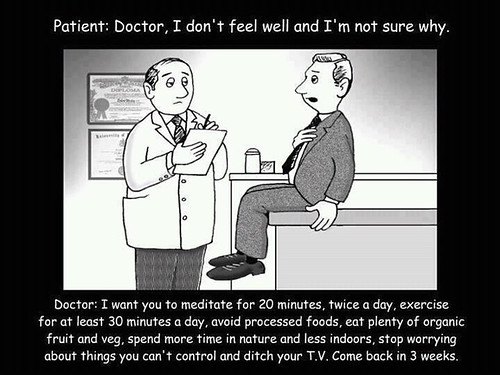
Before starting CBD for anxiety, it is crucial to consult with a doctor or healthcare provider to receive personalized medical advice and professional guidance on dosage and usage.
Your physician or mental health expert can provide valuable insights on how CBD may interact with any existing medications or conditions you have. They can help tailor a specific treatment plan that suits your individual needs, taking into account factors such as your medical history, overall health, and any potential side effects that need to be monitored.
By seeking professional advice, you can address any concerns or uncertainties you may have and ensure that your CBD usage is safe, effective, and aligned with your overall wellness goals.
Start with a Low Dose
When incorporating CBD for anxiety, it is recommended to start with a low dose, especially for beginners, to allow for a gradual adjustment to the effects and build tolerance over time.
This approach not only aids in minimizing any potential unwanted side effects but also helps the body adapt effectively to the compound. By starting with a low CBD dose, individuals can gauge their response and slowly increase the amount as needed. Consistent usage at a lower dose allows the body to acclimate to the cannabinoid, enhancing its efficacy in managing anxiety symptoms. Remember, the key is patience and observation to find the optimal dosage that works best for you.
Monitor Your Reaction
While using CBD for anxiety, it is essential to monitor your reaction to the product, observing any changes in your well-being and noting the effects to ensure it aligns with your expectations and goals.
This monitoring process can involve keeping a detailed journal to track your mood, anxiety levels, and any physical symptoms before and after using CBD. By maintaining this record, you can easily identify patterns or shifts that may indicate how CBD is affecting you.
It is also crucial to pay attention to the dosage you are taking and how it influences your overall well-being. Connecting these observations to your wellness objectives can help you make informed decisions on adjusting your CBD usage to better support your health and anxiety management.
Be Consistent with Dosage and Timing
For effective anxiety management with CBD, consistency in dosage and timing is key to achieving optimal results. Establishing a routine and adhering to it can enhance the overall benefits of CBD for anxiety relief.
Consistency not only helps in maintaining a stable level of CBD in your system but also allows you to track and assess its effectiveness over time. By establishing a regular schedule for taking CBD, you create a habit that aligns with your anxiety management goals. This routine can help you manage your symptoms more effectively and potentially experience more sustained relief. Remember, finding the right dosage and timing that works best for you may require some trial and adjustment, but the benefits of consistency are well worth the effort.
Frequently Asked Questions
What is CBD and how does it help with anxiety?
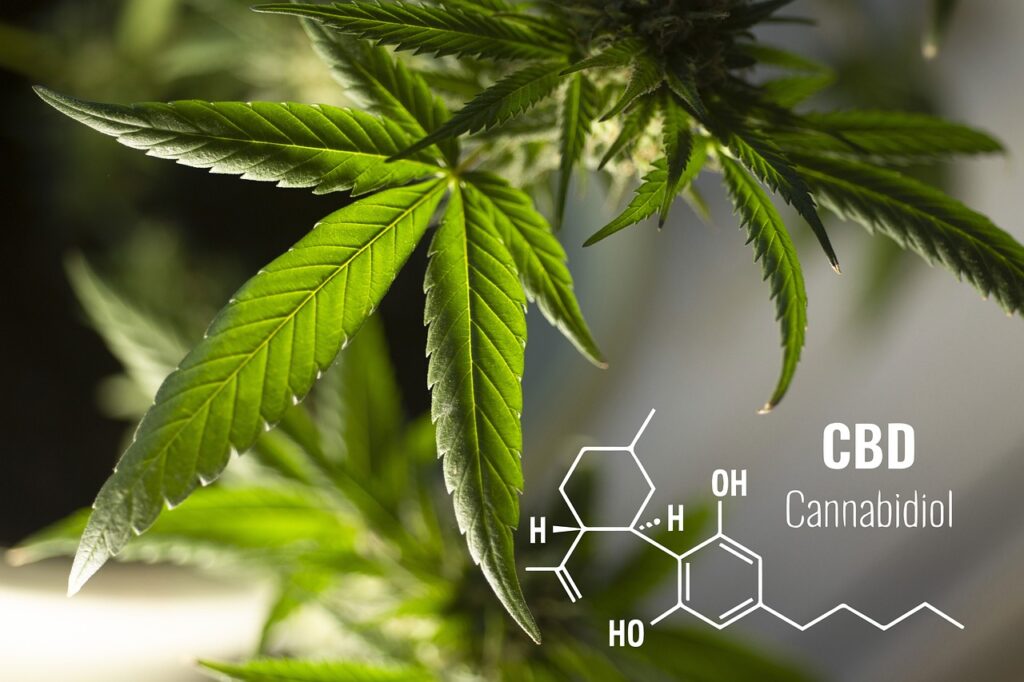
CBD, or cannabidiol, is a chemical compound found in the cannabis plant. It is known for its therapeutic effects, including reducing anxiety and promoting relaxation. CBD interacts with our body’s endocannabinoid system, which helps regulate mood and stress levels.
What makes a CBD product the best for anxiety?
The effectiveness of a CBD product for anxiety depends on several factors, including the quality and purity of the CBD, the dosage, and the method of consumption. Look for products that are third-party tested and have high concentrations of CBD for the best results.
Are there any side effects of using CBD for anxiety?
CBD is generally well-tolerated and has minimal side effects, which may include dry mouth, drowsiness, and changes in appetite. However, it is always recommended to consult with a healthcare professional before starting any new supplement.
What is the recommended dosage for using CBD for anxiety?
The recommended dosage for CBD varies depending on the individual’s weight, metabolism, and the severity of their anxiety. It is best to start with a low dose and gradually increase until the desired effect is achieved. It is also important to follow the dosage instructions provided by the manufacturer.
Can CBD be used as a long-term solution for anxiety?
While CBD has shown promising results in reducing anxiety and promoting relaxation, it is not intended to be a long-term solution. It is recommended to use CBD in conjunction with other anxiety management techniques, such as therapy, exercise, and healthy lifestyle habits.
Are there any other benefits of using CBD for anxiety?
In addition to its anti-anxiety properties, CBD has also been shown to have potential benefits for other mental health conditions, such as depression and PTSD. It may also have anti-inflammatory and pain-relieving effects, making it a potential option for managing physical symptoms of anxiety.